Showing posts with label computer-assisted instruction. Show all posts

Saturday, February 8, 2014

Seeking Balance by Asking Questions #EDAD688

[caption id="" align="aligncenter" width="313"] http://hhigginbotham.files.wordpress.com/2014/02/be34a-whysign.jpg[/caption]

Education seems to be changing at warp speed.


And it seems like everything is on the table when it comes to what needs to change in education: schedules, grades, lesson delivery, professional development - We are taking a "leave no stone unturned" approach to changing schools and looking into replacing it with self-paced online learning instead of classroom learning, passion projects instead of performance tasks, and PLNs instead of professional development.


This is a great development for students. I like how Ayna Kamenetz explained the latest trends in education: It’s never been a better time to be a learner.


However, I find myself asking questions about some of these changes.


  • Is a 1:1 program good for all students? Even Kindergartners?


  • Is “flipped instruction” the right instructional approach for all students?


  • Should all professional development happen through a PLN?


As a parent of a Kindergartner and a 3rd grader, I can tell you that I would not feel comfortable if my daughters learned everything through passion projects. They still need so many foundational skills such as reading, writing and math that will help them get to a point where they can explore an interest and do it successfully.


A hot topic in education in my district is passion projects and how we need to give students the freedom to learn more about their passions. Companies like Google and FedEx do that for their employees through “20% time” programs and it is yielding results.



But don't forget, Google calls it 20% time because 80% of the time there is still work to be done.


Kids should explore their interests, but they should also need to learn how to be literate problem-solvers who can navigate and understand content.


And let’s be honest: Passion projects are really an instructional approach. The successful teachers I know are the ones who vary their instructional approaches in response to their students rather than use the same approach for everything.


So for now, I’m going to continue to ask questions about some of the changes being proposed. I’m not ready to throw everything out because we are doing great work with kids even if it’s not “flipped” or passion-based. As we strive for change, I believe we also need to strive for a balanced instructional approach.

Thursday, August 8, 2013

Digging Deeper into the Research

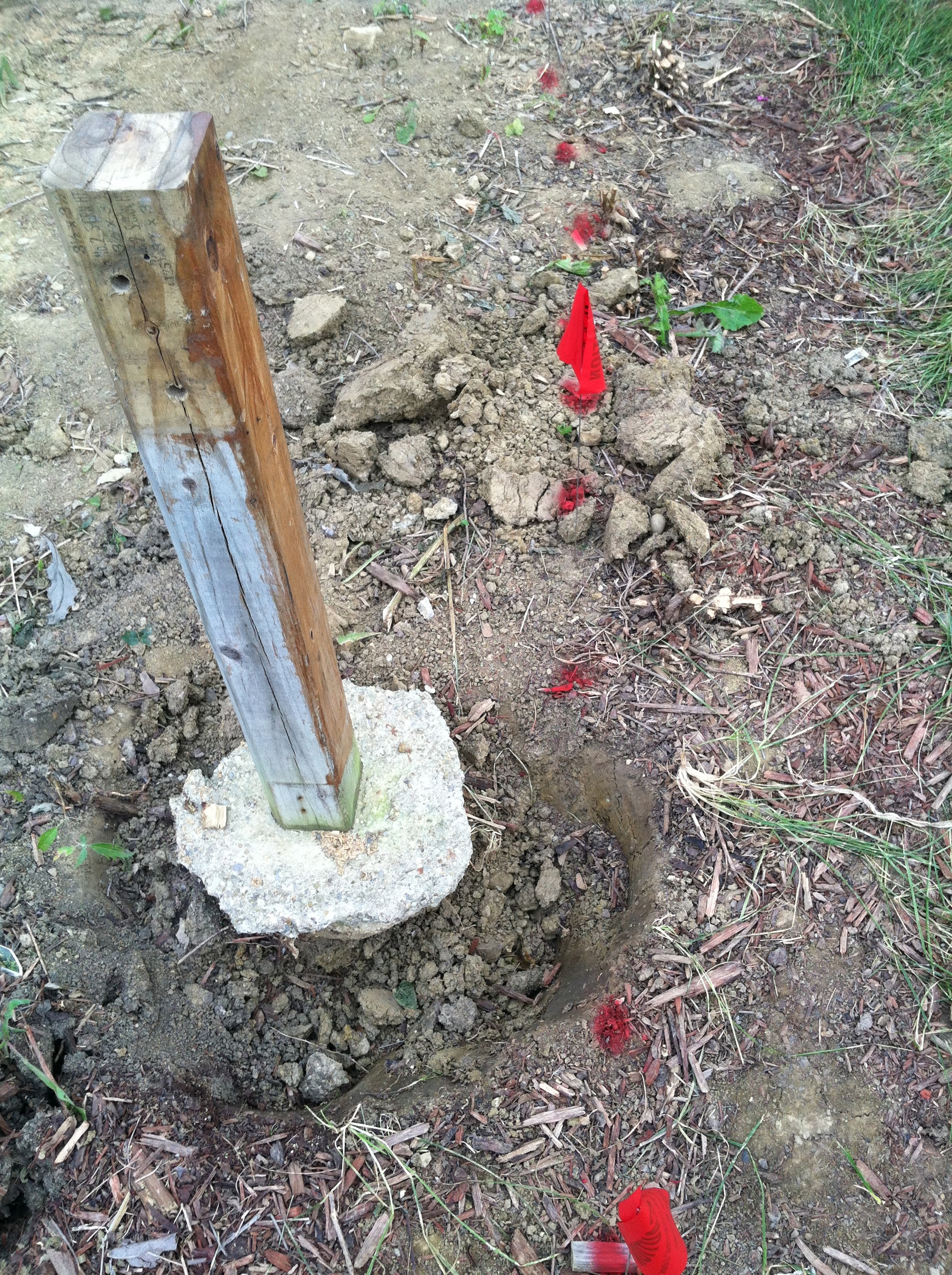
We are removing our deck in preparation for a new patio.  I offered to do the demolition because when else will it be okay for me to destroy something?  After removing the decking, I started to dig around a support post so that we could pull it out of the ground.  After 5 minutes of digging, my wife asked if we should call the utilities commission to see where the power, cable and other utility lines are buried.  I'm glad she made that suggestion because I found out after the utility lines were marked that I was digging right in the area of our electrical line.


That was close.  I will definitely be more cautious as I continue to demo the deck.  I realized I was too focused on getting the job done and I wasn't thinking about the bigger picture.  It made me think of how we educators are sometimes too narrow in our focus when we need to slow down and dig deeper into the issue.


Image


Educational research plays a large role in our lives as educators.  Our district and our building have high standards for providing “research-based” interventions for our students.  What I have learned from my teaching experience and from the research I have done recently for a quantitative statistics course is that educational research is a complicated world.  “Research-based” interventions can sound like a safe bet, but digging deeper into the research can reveal a truer picture of the research.


I have been investigating “computer-assisted instruction” and its effects on comprehension.  I wanted to look into this area because I help facilitate intervention plans for students who are struggling with a specific academic, behavioral, or social skill.  Many of the students who are referred to our team for assistance are not responding to classroom instruction, and these same students may need the instruction to be presented in a unique way.  I wanted to see if computer-assisted instruction could be a possible solution to help increase student comprehension.  Computer-assisted instruction usually refers to instruction that is guided by a computer program that responds to how a child answers questions or how a child is applying a skill that the program is teaching.  A good example of computer-assisted instruction is Khan Academy.


Here is what I found out from my research:


  1. Most of the computer-assisted instructional programs for reading focus on phonemic awareness and word solving skills.


  2. All of the studies measured aspects of phonemic awareness and showed positive gains among student in this skill.


  3. While all of the research studies I read claimed the computer-assisted instructional program they studied might improve comprehension, NONE of the studies included reliable data about the effects on comprehension (which is the ultimate goal of literacy instruction).


So, how does this impact me as someone who wants to lead a building some day?  


  • I have a responsibility to dig deeper into “research-based” claims.


  • I need to remember computer-assisted literacy instruction probably focuses only on phonemic awareness, which is only one aspect of learning to read.


  • The best way a child can improve his or her comprehension is by being immersed in quality texts that are at the child’s instructional level and when the child’s reading behaviors are being supported with explicit language from the teacher.


  • I need to remember to stay true to my belief that nothing can replace high-quality literacy instruction that is provided by an expert teacher (the kind that live and breathe).


I invite you to take a look at some of the research yourself.

https://docs.google.com/file/d/0B7pbjcf5Ua1kNEpqaHRMTzhxTnM/edit?usp=sharing